 AI Baby Look
November 11, 2026
AI Baby Portraits at Different Ages: What Changes
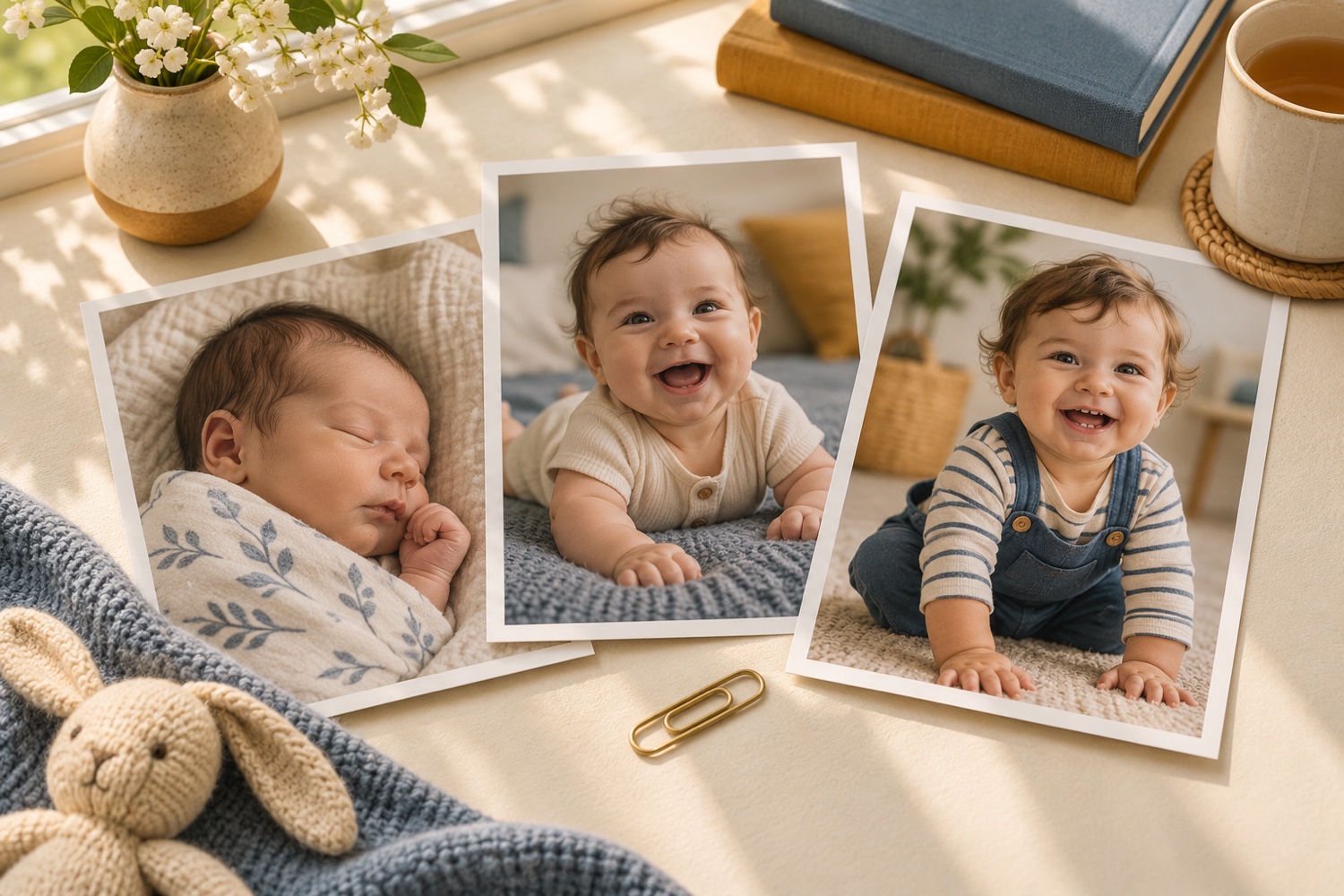
Make two AI portraits from the same two adult photos, one of a 1-year-old and one of a 7-year-old, and they can look like two different children. The baby looks just like Dad. The school-age child looks more like Mom’s brother. Nothing went wrong. Faces change a lot in the first years of life, and the age you pick decides which version of your child you see.
This guide answers the questions parents ask most: what changes in a baby’s face month by month, which features last into adulthood, how the age setting changes an AI baby portrait, and which age to pick for the question you actually have.
One family at five ages
Here is what the same two parent photos look like when only the age setting changes. The face shape, nose and jaw change the most. Eye color, skin tone and the general coloring stay recognisably the same child.

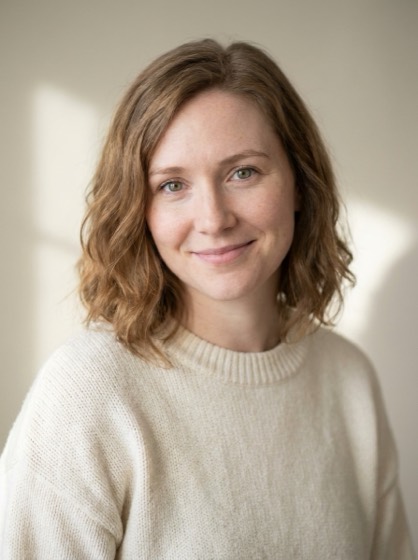
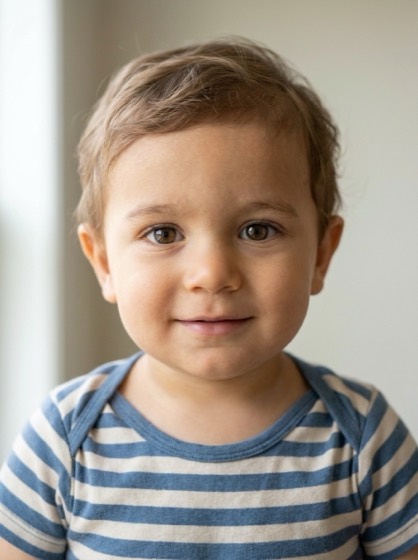
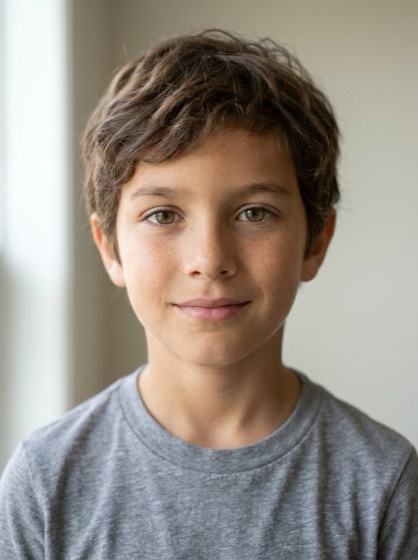
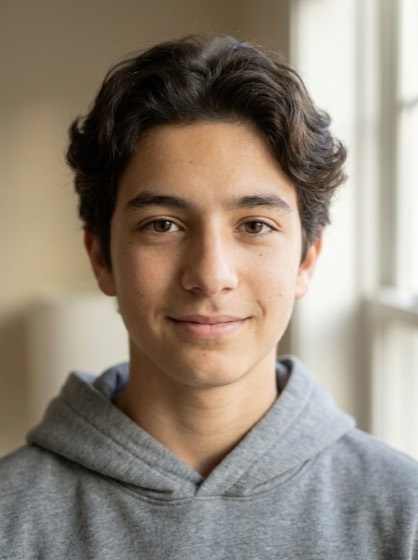

Every face here, parents included, is an AI-generated example made with AI Baby Look, not a real family.
How a baby’s face changes in the first year
Newborn to 1 month: puffiness and head shape
A newborn’s face is rarely the face the baby will have a few weeks later. Eyelids and cheeks can look puffy after delivery, the head can be slightly molded from birth, and the skin can look red or blotchy at first. The American Academy of Pediatrics notes that these details usually fade in the first days and weeks. That is one reason a hospital photo often looks like a different baby from a 2-month photo. American Academy of Pediatrics, How Your Newborn Looks
1 to 6 months: hair and eye color start to shift
Many babies lose some or all of their first hair in the early months, and the hair that grows back can be a different shade or texture. Eye color changes too. Many babies with lighter skin are born with blue or gray eyes, while babies with darker skin are usually born with brown eyes, and pigment keeps building over the first year. If you want the odds for your baby’s settled eye color, the baby eye color calculator works them out from both parents and the grandparents. American Academy of Pediatrics, Newborn Eye Color
6 to 12 months: features settle
By the first birthday, the cheeks are still round, but the nose, chin and brow are easier to read, and eye color has usually settled or is close to it. Hair color can keep darkening through childhood, because several genes control how much pigment hair makes over time. The baby hair color calculator shows the odds of each shade. MedlinePlus Genetics, Hair Color
Month by month at a glance
| Age | Face | Hair | Eyes |
|---|---|---|---|
| Newborn | Puffy eyelids, possible head molding, red or blotchy skin | First hair, from none to a full head | Often blue or gray in lighter-skinned babies, brown in darker-skinned babies |
| 1–3 months | Puffiness gone, head rounds out | First hair may start to shed | Still changing |
| 4–6 months | Full, round cheeks | New hair grows in, sometimes a different color or texture | Pigment building |
| 6–12 months | Nose, chin and brow easier to read | Thicker, color still changing | Usually settled or close |
| 1–3 years | Baby fat starts to slim, face lengthens | Can keep darkening through childhood | Small changes possible until about age 3 |
Which features last, and which keep changing
- Eye color usually stays the same after early childhood, so a 1-year-old’s eyes are a good guide to the adult’s.
- Skin tone settles in the first months once the newborn redness fades.
- Hair color often darkens. Plenty of blond toddlers become brown-haired adults.
- Face shape, nose and jaw change the most, first as baby fat slims in the toddler years and again during puberty, when the bones of the face grow.
- Height has nothing to do with the face. The child height predictor estimates adult height from both parents’ heights.
How the age setting changes an AI baby portrait
What the age setting controls
When you pick an age, the AI draws a child with the proportions of that age. A 1-year-old gets round cheeks, a short nose and a large forehead. A 7-year-old gets a longer face and a more defined jaw, and an adult gets adult bone structure. The features it takes from each parent, such as eye shape, skin tone and hair, are placed on top of those proportions.
That is why the same two adult photos can give portraits that seem to resemble different relatives. A round baby face hides the jaw and nose shape that make an adult look like their father, while a teenage face shows them clearly. To see the effect yourself, use the AI baby generator for couples, keep both photos the same, and change only the age.
Why AI Baby Look starts at age 1
The youngest setting is a 1-year-old, not a newborn. Newborn faces change too much in the first weeks for a prediction to be useful, and a 1-year-old portrait shows features that are more likely to last.
Which age to choose for your question
| Your question | Age to pick |
|---|---|
| What will our baby look like? | Baby (1) |
| What will our toddler look like for a birthday card or announcement? | Toddler (3) |
| What will our child look like in a first school photo? | Kid (7) |
| Who will our child take after once the face grows up? | Teen (15) |
| What will my son or daughter look like as an adult? | Adult (25) |
If you are making a gift or a keepsake, generate the same child at two or three ages and put them side by side. A “growing up” set is often more fun to share than a single portrait.
How to compare portraits fairly
- Compare portraits at the same age first. Two 1-year-old portraits tell you more about each other than a baby and a teenager do.
- Change one setting at a time: the age, the resemblance setting, or the photo of one parent.
- Use clear, front-facing parent photos in similar light, so neither parent’s features get lost.
- Look at the overall impression before zooming in on one feature.
- If you make a set at several ages, label each one with its age so nobody reads it as a real growth record.
FAQ
What will my baby look like at 6 months?
At 6 months most babies have lost the newborn puffiness, have fuller cheeks, and may have new hair of a different shade. Eye color can still be changing. No tool can show the exact face, but an AI portrait at age 1 is a useful preview of the features that tend to last.
Why does my baby look different from one month to the next?
Babies change faster in the first year than at any later age. Puffiness fades, the head rounds out, first hair can fall out and grow back in a different color, and eye pigment builds up. Lighting and camera angle in photos add to the effect.
When does a baby start to look like one of the parents?
There is no fixed age. Many families notice a resemblance once the newborn puffiness is gone, after the first couple of months, and it often becomes clearer in the toddler years as the nose and jaw take shape.
Why do AI portraits of the same baby look different at each age?
The age setting changes the face shape the AI draws. Features from each parent sit on top of baby, child or adult proportions, so a portrait can look more like one parent at one age and more like the other at another.
Can AI predict exactly what my baby will look like?
No. Every child gets a new mix of genes from both parents, so no tool can show the one face your baby will have. An AI portrait shows one realistic possibility built from both parents’ features. Generate a few to see the range.